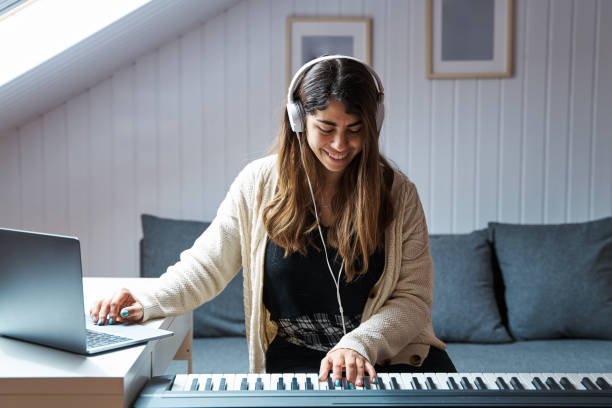
Preparing for the Trinity Grade 1 piano exam online is very achievable with the right routine, a structured teacher, and a clear checklist of what to practise each week. The exam tests pieces, scales, and supporting skills, so preparation should be organised, consistent, and exam-focused rather than last-minute. This guide shows you exactly how to prepare step by step.
Understand the Grade 1 Requirements
Before practising, know exactly what the exam asks for. Trinity Grade 1 piano usually requires three pieces from the syllabus, scales and arpeggios, and a supporting test such as sight-reading or aural work. Knowing the exact requirements lets you plan each practice session instead of repeating easy material and ignoring weaker areas.
Ask your teacher for the current syllabus list and mark the pieces you will study. Some students choose pieces they already enjoy listening to, which makes daily practice feel less like a chore and more like musical preparation.
Build a Weekly Practice Routine
A balanced weekly routine is more effective than long irregular sessions. Divide your time across pieces, scales, and supporting tests. For example, one session can focus on one new piece, another on scales and arpeggios, and another on sight-reading or listening exercises.
Beginners often improve fastest when they practise five or six days a week for twenty to thirty minutes rather than cramming everything into one long session. Consistency builds stronger sight-reading, steadier rhythm, and more confident performance.
Use Mock Exams to Reduce Nerves
Mock exams are one of the best preparation tools for online students. Perform the full programme for your teacher, a family member, or even a recorded video. Mock exams reveal nerves, timing problems, and forgotten details that normal practice hides.
After each mock, review the result honestly. Note which piece felt secure, which scale needed more attention, and whether the supporting test was comfortable. That feedback becomes your practice plan for the following week.
Work on Technique Without Losing Musicality
Trinity Grade 1 expects clean technique, but technique should never sound mechanical. Practice scales and exercises slowly at first, then gradually increase tempo only when the notes and fingering are reliable. Speed before accuracy creates mistakes that are hard to undo.
Keep returning to the musical goal: shape the melody, watch the dynamics, and make the piece sound like music rather than a technical exercise. Examiners reward musical communication as well as accuracy.
Prepare Your Setup for Online Exam Day
If your exam is online, check your camera angle, lighting, and microphone before the real day. The examiner needs a clear view of your hands and keyboard. Make sure your instrument is stable, your bench is at the right height, and the room is quiet enough for performance and aural work.
Do a full rehearsal using the same device, position, and time of day you plan to use for the actual exam. Familiarity with your setup reduces avoidable stress on exam day.
Frequently Asked Questions
How long does it take to prepare for Trinity Grade 1 piano?
Most students need about six to nine months of regular lessons and practice to feel fully prepared for Grade 1. Faster progress is possible with daily practice and a structured teacher.
Can I take Trinity Grade 1 piano exam online?
Yes. Trinity offers online graded exam options in many regions. Ask your teacher or Trinity directly for current digital exam formats, requirements, and submission guidelines.
What should I focus on most before the exam?
Focus on secure piece memory, accurate scales, steady rhythm, and a calm performance mindset. Mock exams and recorded run-throughs are the fastest way to find weak spots before the real exam.
Preparing for the Trinity Grade 1 piano exam online works best with a clear routine, honest self-review, and regular mock performances. Start early, break the syllabus into weekly goals, and treat each practice session as real exam training. If you want guided preparation, a free trial lesson is the best place to build your plan.