After Grade 1, the Grade 2 piano exam syllabus adds a little more technical demand and musical expression. Both Trinity College London and ABRSM keep the same building blocks, three pieces, technical work, and supporting tests, but the standard steps up just enough to keep students growing. This guide explains what the Grade 2 syllabus covers for each board, how they compare, and how to prepare for a Grade 2 piano exam online with a live teacher.
What Is Covered in the Grade 2 Piano Exam Syllabus?
The Grade 2 piano exam syllabus is aimed at a student who is comfortable playing hands together and can move between simple keys. At this level the pieces introduce slightly longer phrases, lighter articulation, and gentle dynamic contrast.
Both boards test the same three core areas as Grade 1: prepared pieces, technical work such as scales and broken chords, and supporting tests including sight reading and aural skills. The difference is the range of keys and the expectation of cleaner, more musical playing.
Trinity Grade 2 Piano Online Exam
In the Trinity Grade 2 piano exam, the student performs three pieces from the current Trinity syllabus plus technical work and one or more supporting tests. Trinity continues to give some choice in supporting tests, which helps students play to their strengths.
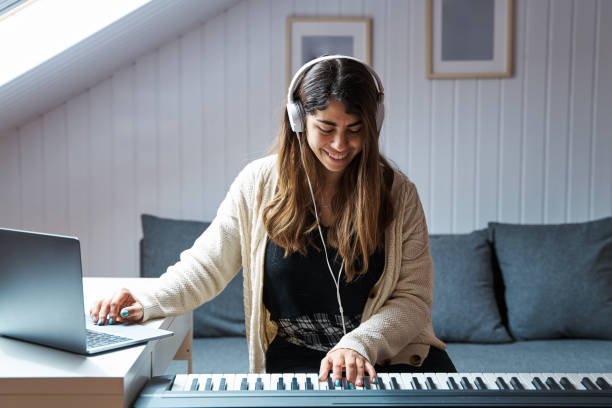
Preparing for a Trinity Grade 2 piano exam online is straightforward: your teacher works through the selected pieces, builds the scale patterns, and runs video mock exams so the format feels familiar before the real assessment.
ABRSM Grade 2 Piano Exam
The ABRSM Grade 2 piano exam follows the same shape: three set pieces, scales and broken chords, sight reading, and aural tests. The aural section remains a fixed part of every grade, so ear training keeps building from Grade 1 into Grade 2.
For students aiming at the ABRSM piano Grade 2 exam, online lessons let a teacher correct rhythm and hand position in real time and assign exactly the scales and pieces listed in the current ABRSM Grade 2 syllabus, so no requirement is missed.
How to Prepare for Grade 2 Piano Exam Online
Most students prepare for Grade 2 over three to six months of weekly lessons plus regular daily practice. The plan covers all three pieces, the full scale and arpeggio list, and the supporting tests, with mock exams booked in the final weeks.
Online Grade 2 piano exam preparation should focus on musical detail. Small things, even note values, clean finger changes, and steady tempo matter more at Grade 2 than at Grade 1, and a teacher can catch them early over video.
Building From Grade 1 to Grade 2
If Grade 1 went well, Grade 2 is a natural next step rather than a leap. The key change is expecting more independence: students should be reading more of the music themselves and correcting small mistakes during practice.
Teachers often reuse the same warm-up routine from Grade 1 and simply extend the key range and piece length. This keeps momentum and avoids relearning habits that already work.
Frequently Asked Questions
What is in the Grade 2 piano exam syllabus?
The Grade 2 piano exam syllabus covers three prepared pieces, technical work such as scales and broken chords, sight reading, and aural tests. Trinity and ABRSM follow this structure with slightly different formats and choices.
Can I prepare for Trinity Grade 2 piano exam online?
Yes. Trinity Grade 2 piano exam preparation works fully online with a live teacher, including pieces, scales, mock exams, and real-time feedback over video calls.
How long does Grade 2 piano exam preparation take?
Most students prepare for Grade 2 over three to six months with weekly lessons and consistent daily practice, depending on their starting point after Grade 1.
The Grade 2 piano exam syllabus builds directly on the skills from Grade 1, asking for cleaner technique and a little more musical expression. Whether you follow Trinity or ABRSM, the route is steady: learn the pieces, drill the scales, train the ear, and perform in mock exams. With a structured online teacher, Grade 2 becomes a confident continuation of the journey rather than a hurdle.