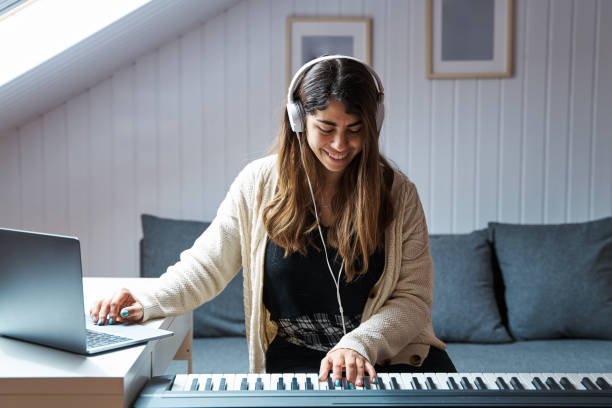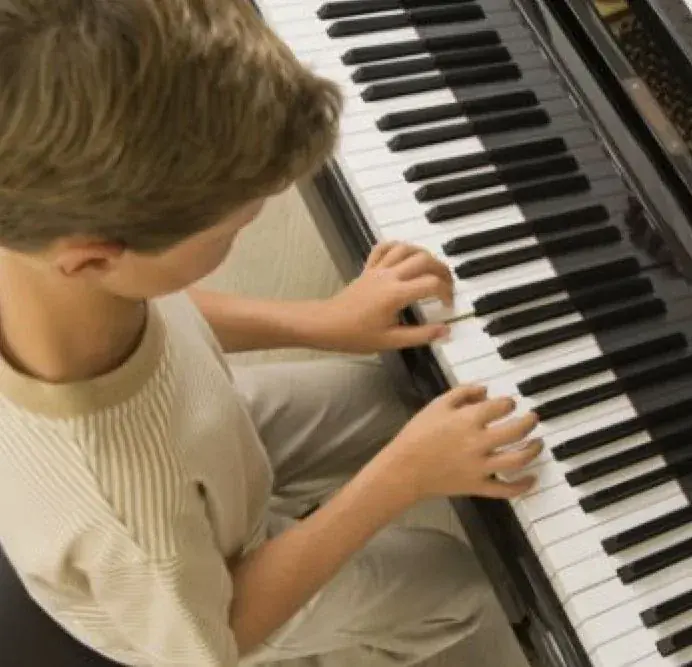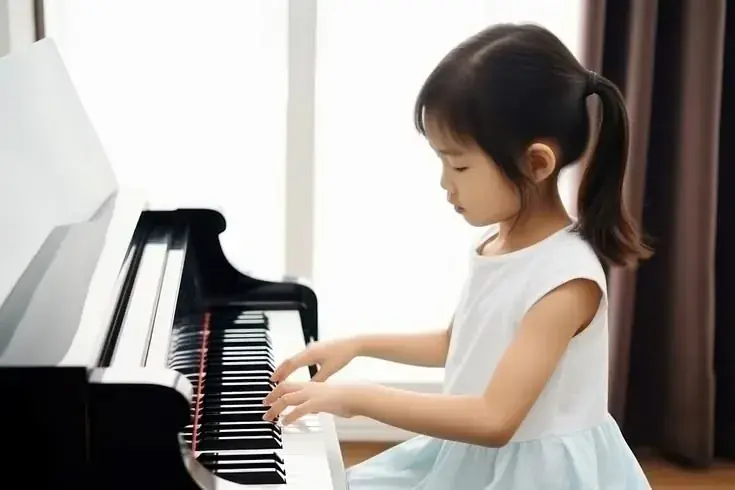
This first piano buying guide for parents cuts through the noise. If your child has started or is about to start piano lessons, you do not need a concert grand or a wall of features. You need an instrument that builds correct technique and survives the first few years of practice. Here is what to look for.
Start With 88 Weighted Keys
For a child serious about lessons, an 88-key weighted digital piano is the safest first buy. Weighted keys build finger strength the way an acoustic piano would, so the transition later is smooth.
If budget is tight, a 61-key touch-sensitive keyboard is a fine starting point. The key is to plan the upgrade: as soon as exam pieces appear, move to weighted keys so technique matches the exam room.
Skip the Gimmicks
Light-up keys, hundreds of voices, and built-in lessons look impressive in a shop but do little for progress. Spend on a solid stand, a proper bench at the right height, and a sustain pedal instead.
A comfortable, quiet practice corner matters more than a flashy instrument. Children practise more when the setup is easy to sit at and not disruptive to the home.
Match the Instrument to Exam Goals
If your child may take Trinity or ABRSM exams, tell the teacher early. Exam technique assumes weighted keys and a pedal, so buying with that path in mind avoids a costly second purchase.
Our online piano classes work on everything from basic keyboards to full digital pianos. The instrument is a tool; consistent, guided practice is what actually moves a student forward.
Frequently Asked Questions
What piano should I buy for my child's first lessons?
An 88-key weighted digital piano is ideal. If budget is limited, a 61-key touch-sensitive keyboard is an acceptable start, with a planned upgrade to weighted keys once exam pieces begin.
Do I need a real piano or is a digital one fine?
A digital piano with weighted keys is perfectly fine for years of lessons and exams. It is cheaper, quieter, and needs no tuning, which suits most homes.
Should I buy the most expensive model for a beginner?
No. Buy the simplest instrument that meets the core criteria: full-size keys, touch sensitivity or weighting, and a pedal. Upgrade later only if lessons progress to advanced grades.
A first piano buying guide for parents comes down to restraint: choose correct-size weighted keys, skip the gimmicks, and match the instrument to your child's lesson path. The right simple setup, plus regular guided practice, is all a beginner needs to thrive.