If you are searching for the best keyboard for beginners, you have probably met a wall of model numbers and conflicting advice. The good news: a first keyboard only needs to get a handful of things right. This guide explains what those things are, what you can safely ignore, and how to match the instrument to online piano or keyboard lessons.
What Makes a Keyboard Good for Beginners?
The best keyboard for beginners does four jobs well. First, full-size keys: children and adults both learn finger spacing on full-size keys, so avoid mini-key layouts. Second, at least 61 keys: 88 weighted keys are ideal, but a 61-key instrument covers nearly all beginner repertoire including early exam pieces.
Third, touch sensitivity: the sound should change when you press harder. This single feature trains dynamics and is the difference between a musical instrument and a toy. Fourth, a proper sustain pedal input, since sustain appears in the very first months of lessons.
Weighted Keys vs Unweighted: What Actually Matters
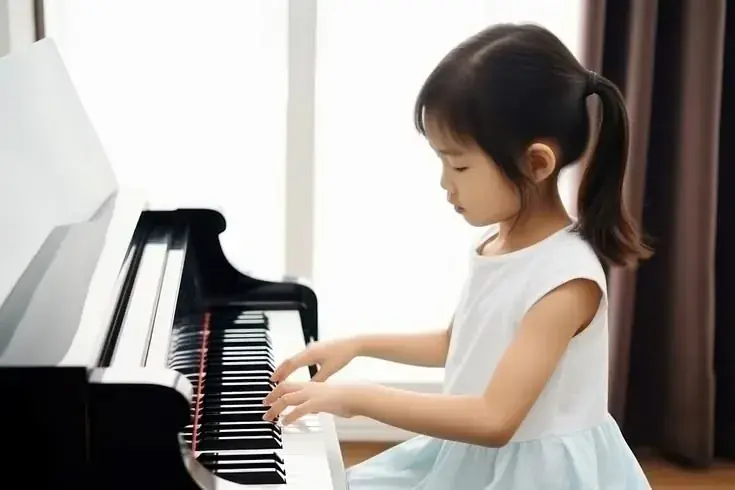
Weighted keys mimic the resistance of an acoustic piano. For a student who plans to move to piano exams with Trinity or ABRSM, weighted or semi-weighted keys are worth the extra cost because exam technique assumes them.
For a young child testing interest, an unweighted touch-sensitive 61-key keyboard is a reasonable, budget-friendly start. The upgrade path matters more than the starting point: buy the simplest instrument that meets the four criteria above, and upgrade when lesson books demand it.
Features You Can Safely Skip
Manufacturers pack beginner keyboards with hundreds of voices, rhythms, and light-up keys. Almost none of this helps learning. Skip auto-accompaniment styles, built-in song databases, and screen-based tutorials; they entertain but do not build technique.
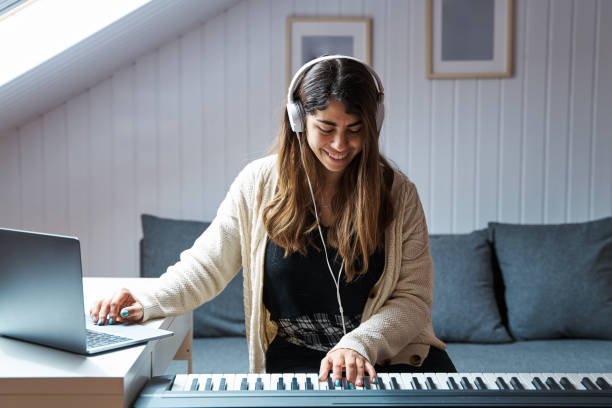
Spend the saved money instead on a bench at the right height, a stable stand, and headphones if practice happens in a shared space. A comfortable, quiet practice setup does more for progress than any extra feature.
Matching the Instrument to Online Lessons
For online piano classes, the camera needs to see the hands. Any keyboard on a standard stand works; place a phone or tablet at a slight side angle and check the view before the first lesson.
Students in our online keyboard classes start successfully on everything from simple 61-key instruments to full digital pianos. If exam preparation is the goal, tell your teacher early so the technique taught from week one matches the instrument you will use in the exam room.
Frequently Asked Questions
How many keys should a beginner keyboard have?
At least 61 full-size keys. That range covers virtually all beginner method books and early grade pieces. 88 weighted keys are ideal for serious piano study, but 61 keys are enough to begin.
Do beginners need weighted keys?
Not strictly, but they help. Weighted keys build correct finger strength and make later transition to an acoustic piano effortless. Touch sensitivity is the minimum requirement; full weighting is a worthwhile upgrade for exam-bound students.
Is a keyboard okay for online piano lessons?
Yes. Online piano lessons work well on any touch-sensitive keyboard with 61 or more full-size keys. Your teacher can guide hand position over video just as effectively as in person.
The best keyboard for beginners is the one that gets four things right: full-size keys, 61 keys or more, touch sensitivity, and a sustain pedal input. Everything else is optional. Choose the simplest instrument that meets those four criteria, set up a comfortable practice corner, and start lessons. The instrument matters far less than consistent, guided practice.