Stage fright tips for young musicians usually fail because they focus on the performance day instead of the months before it. The real fix is to practise performing, not just to practise the piece. When a child has played in front of people many times, the recital or exam stops being a surprise. Here is how to build that calm.
Perform Often, Formally
Set up tiny concerts at home: a parent, a sibling, even a stuffed audience. Playing in front of any listener teaches the brain that being watched is normal.
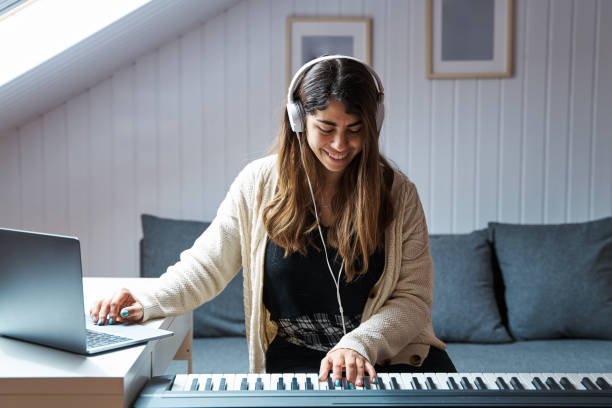
For exam students, run mock exams with the teacher over video. The format and the nerves become familiar long before the real assessment, so the day feels like rehearsal.
Breathe and Name the Feeling
A slow breath before starting resets the body. Teach the child to say, out loud, 'I am nervous and that is okay.' Naming the feeling reduces its grip.
Avoid telling a frightened child 'don't worry' or 'just relax.' Those words dismiss the feeling. Acknowledging it, then playing anyway, is what builds confidence.
Prepare for the Mistake
Nerves spike because students fear errors. Practise recovering from a wrong note smoothly, so a slip becomes a non-event rather than a spiral.
A teacher who simulates distractions during lessons, a doorbell, a cough, trains the student to keep going. Resilience, not perfection, is what settles the stage.
Frequently Asked Questions
How can I help my child with stage fright?
Create frequent low-stakes performances at home and run mock exams with the teacher. The more a child plays in front of others, the less frightening the real event becomes.
Why is my child nervous before a piano recital?
Nerves are a normal response to being watched while doing something hard. They fade with repetition. Performing often in safe settings teaches the brain the situation is manageable.
What helps calm nerves before a music exam?
A slow breath, naming the feeling, and having rehearsed recoveries from mistakes. Knowing the slip will not derail the performance removes most of the fear.
Stage fright tips for young musicians work only when applied before the event. Perform often in safe settings, breathe and name the nerves, and rehearse recovering from mistakes. With a teacher running mock exams, even a first recital becomes manageable. Confidence on stage is built in the practice room, one small audience at a time.