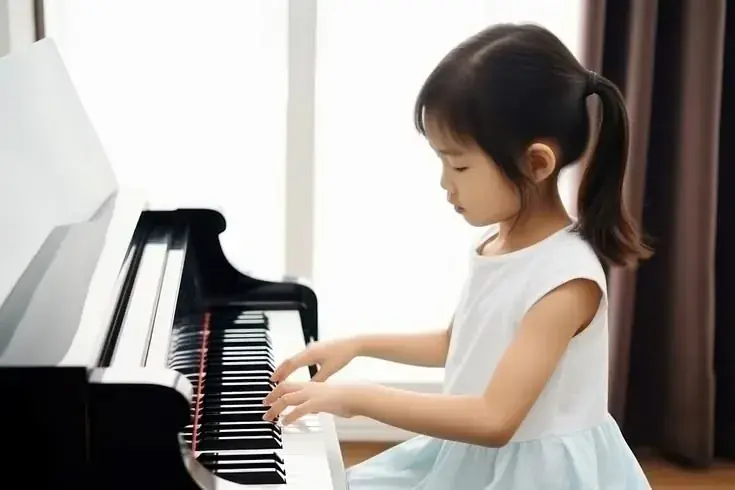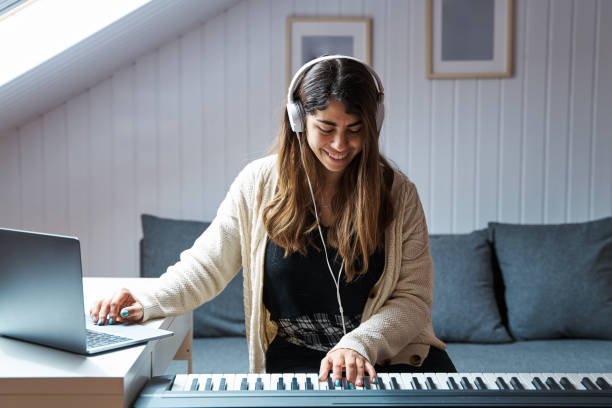
Piano practice during school exams is a real tug-of-war for many families. Drop music entirely and the skill stalls; push too hard and the child burns out. The middle path is a lighter, flexible routine that keeps music in the day without adding pressure. Here is how.
Cut Duration, Keep the Habit
During exam weeks, reduce practice to 10 or 15 minutes a day, or even every other day. The aim is to keep the fingers and the routine alive, not to chase new milestones.
A short daily touch keeps the neural pathways active. Stopping completely for a month often means relearning basics afterwards, which costs more time than the light maintenance would have.
Use Music as a Break, Not a Burden
A few minutes at the piano between study blocks can actually reset focus. Framed as a reward rather than another task, practice becomes relief instead of load.
Parents can help by protecting that window: when the timer rings for a study break, the piano is the permitted distraction, not a screen.
Talk to the Teacher
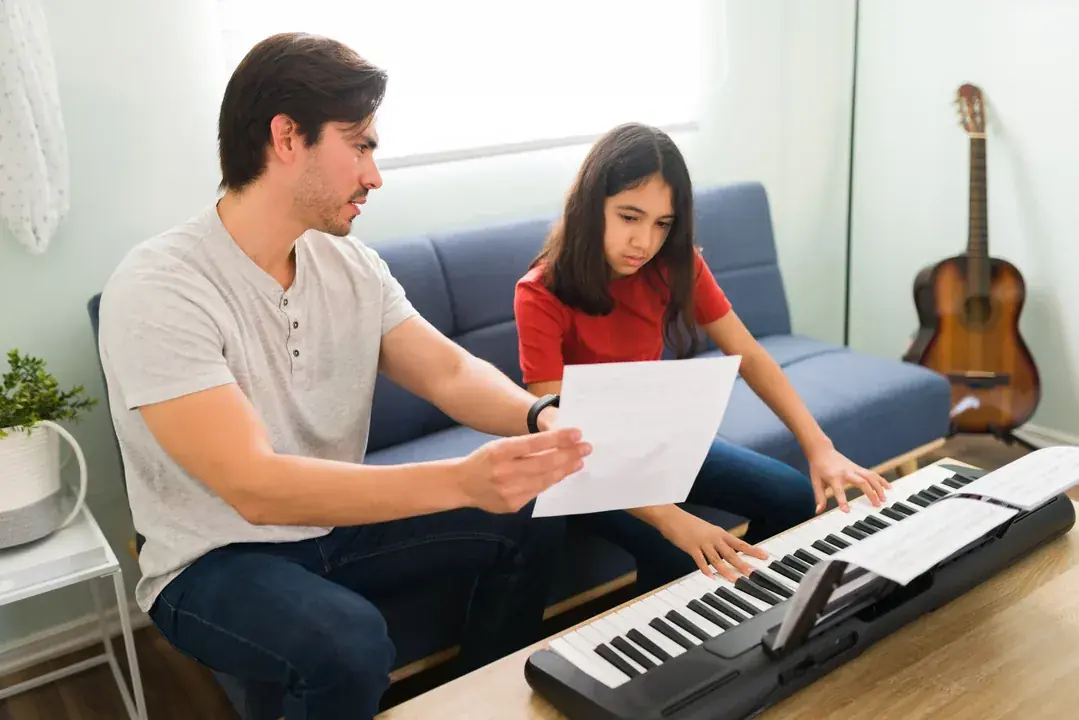
Tell your online teacher exam season is here. A good teacher will lighten the assignment and may shift lessons to a flexible slot, so progress continues without stress.
Many of our students keep a gentle routine through boards and return to full practice the moment exams end, losing almost nothing in the process.
Frequently Asked Questions
Should my child stop piano during school exams?
Not completely. A short, light practice routine of 10 to 15 minutes keeps the skill alive without adding stress. Stopping for a month usually means relearning afterwards.
How do I balance piano and school studies?
Treat music as a refreshing break between study blocks rather than extra homework. A few minutes at the piano can improve focus for the next study session.
Will missing a month of piano set my child back?
A full break causes some loss of fluency, but it is recoverable within a few weeks of return. A light maintenance routine avoids most of that setback entirely.
Piano practice during school exams works best as a lighter version of the normal routine, not a pause button. Keep the habit with short sessions, use music as a study break, and loop in the teacher. The skill stays alive, the child stays sane, and lessons resume strongly once exams end.