Starting music online can feel exciting and confusing at the same time. Beginners often ask whether they need prior experience, how to choose an instrument, how much to practise, and what makes a course worth paying for. This guide answers those questions in plain language and gives you a simple checklist to pick the right online music classes for beginners.
Choose the Right Instrument First
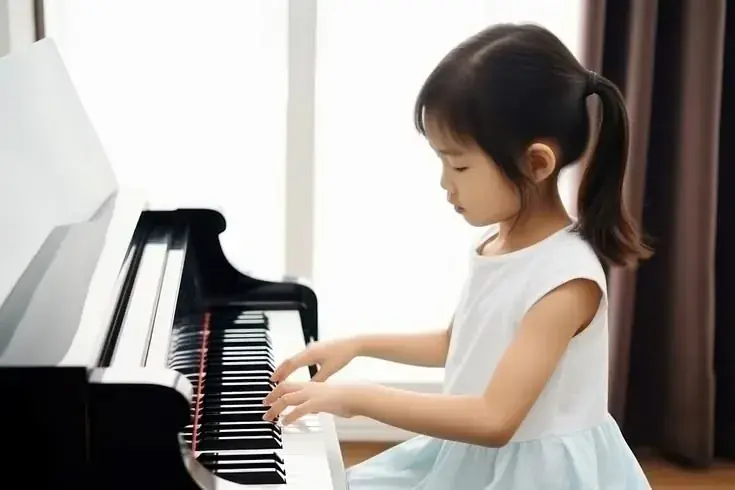
The best first instrument depends on your interests, space, and budget. Piano and keyboard are excellent starting points because they teach note reading, rhythm, and coordination in a visual layout. If you are unsure, try a short trial on both and see which one feels more natural.
Avoid choosing an instrument only because it looks trendy. Long-term progress comes from regular practice, and students stick with instruments they genuinely enjoy hearing themselves play.
Look for Structure, Not Just Songs
Online music classes for beginners should teach technique, reading, and rhythm alongside songs. If a course only teaches you new songs without explaining the patterns behind them, you will keep hitting the same walls. Ask how the curriculum progresses from week to week.
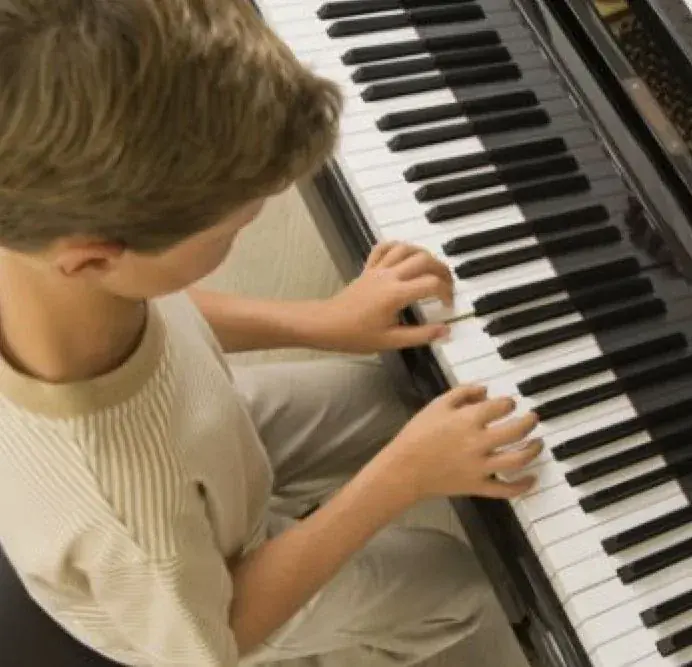
A strong beginner course introduces the keyboard layout, hand position, simple melodies, scales, and basic chords. That foundation makes later learning faster and more enjoyable.
Practice Habits That Actually Work
Short, daily practice is better than long, irregular sessions. Beginners who practise fifteen to twenty minutes every day usually progress faster than those who cram once a week. Focus on one small goal per session, such as a new hand position, a short passage, or a rhythm pattern.
Keep a simple practice log. Write down what you worked on, what felt hard, and one thing to improve next time. Teachers love students who bring focused questions to every lesson.
What a Good Teacher Provides
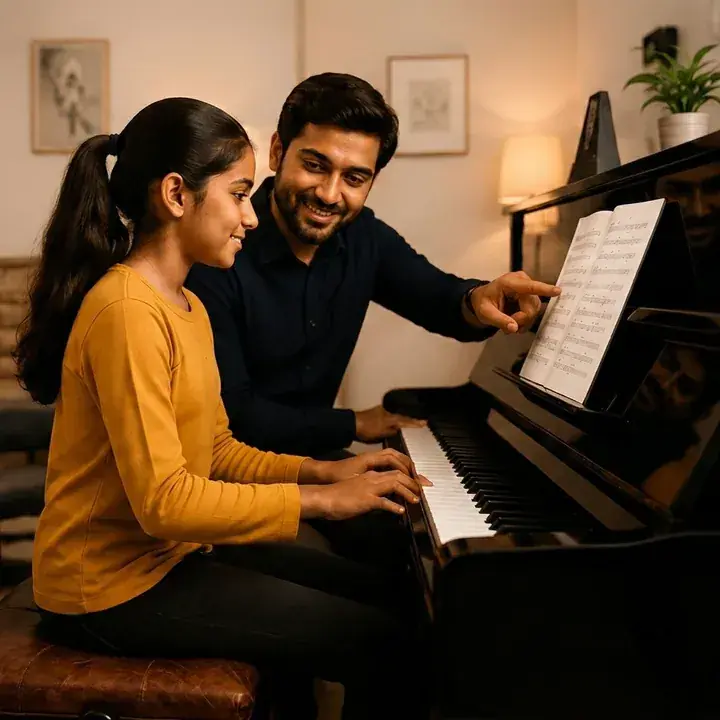
A good online music teacher explains concepts clearly, corrects mistakes early, and gives you exactly what to practise between lessons. They should also be patient with adult learners and engaging with younger students. Before joining, ask whether the teacher offers a trial and how progress is measured.
Avoid programmes that make big promises overnight. Real progress in music takes weeks and months, but a clear roadmap makes the journey feel shorter and more rewarding.
How to Start This Week
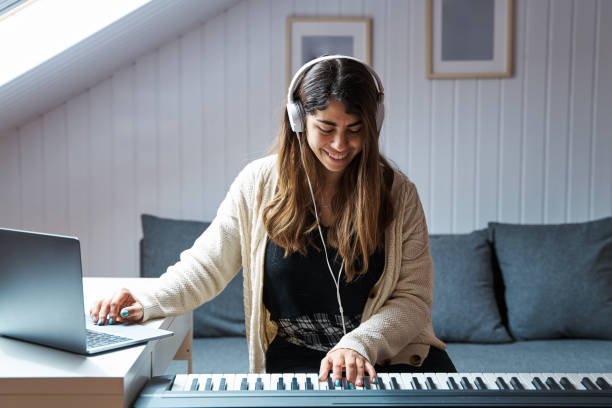
You do not need to buy expensive equipment or study for months before starting. All you need is a decent keyboard or piano, a stable internet connection, and a teacher who can guide you from day one. Book a free trial, set a simple practice schedule, and start with one easy piece you already know.
The goal is not perfection. The goal is to enjoy playing, build confidence, and turn music into a habit that lasts for life.
Frequently Asked Questions
Can adults start online music classes for beginners?
Yes. Adults often progress faster than children because they bring focus and self-discipline. The key is a patient teacher and a schedule that fits work and family life.
Do I need any music experience before joining beginner classes?
No prior experience is needed. Beginner classes start from zero and build skills step by step. If you already know a little, the teacher will simply move you forward faster.
How soon will I hear progress?
Many beginners notice real progress within the first month. By three to six months, most students can play simple songs with both hands and read basic sheet music confidently.
Online music classes for beginners work best when the teacher is qualified, the curriculum is structured, and your practice is consistent. Start small, stay curious, and let every practice session move you one step closer to playing the music you love.