Does music help academics? It is a fair question, and the honest answer is that music lessons build skills that overlap with school success: focus, memory, and disciplined practice. We will not claim music magically raises marks, but the habits it trains are the same ones good students use. Here is a measured view.
What Music Lessons Actually Train
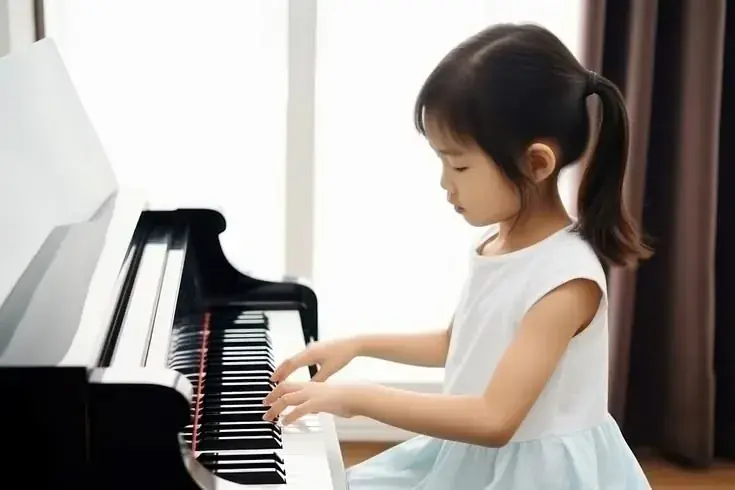
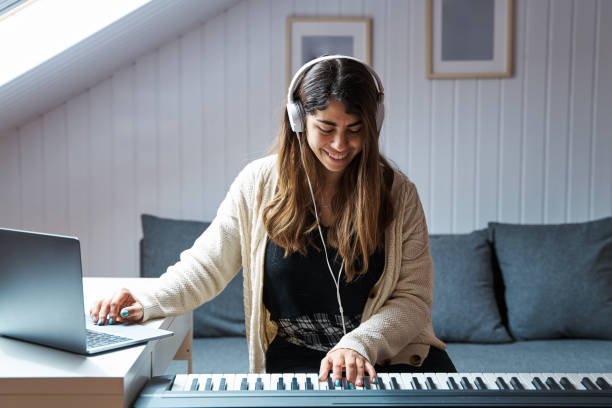
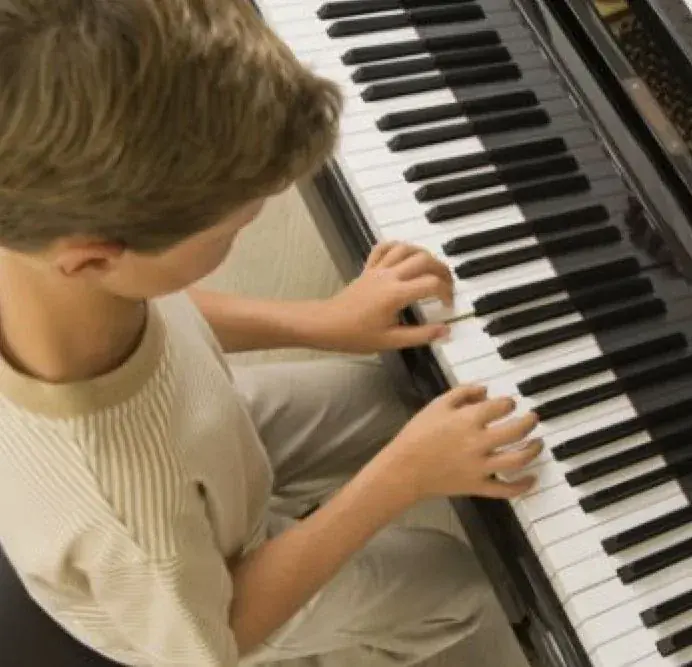
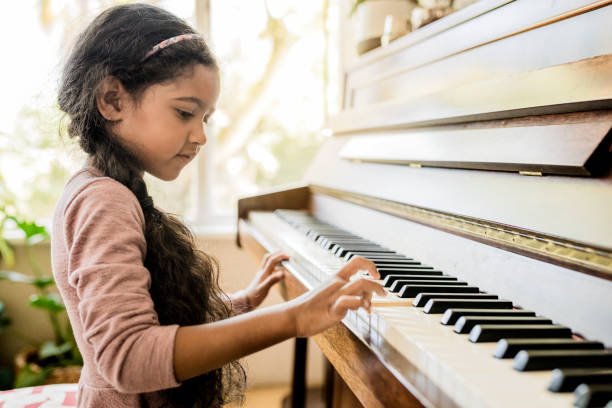
Learning an instrument asks a child to concentrate, follow a sequence, and return to a problem day after day. Those are study skills, not just musical ones.
Reading notation and keeping time engage memory and pattern recognition. Regular practice builds the patience to sit with a difficult task, which transfers to homework and revision.
What the Research Says, Honestly
Studies find associations between music training and certain cognitive and academic measures, but cause and effect are hard to pin down. Children who take lessons often also have supportive home routines that help schoolwork.
The safest claim is this: music builds habits of attention and persistence that support learning. We avoid promising specific grade improvements, because no honest teacher can guarantee those.
The Real, Everyday Benefit
The clearest academic upside is routine. A child who practises daily learns to structure time, a skill that helps with every subject.
For many students, music is also a pressure valve. A short practice between study blocks can reset focus better than another screen, which indirectly helps school performance.
Frequently Asked Questions
Does learning piano improve academics?
Music lessons build focus, memory, and disciplined practice habits that support schoolwork. We do not claim they directly raise grades, but the skills trained overlap strongly with studying well.
Is music education important for children?
Yes, as one part of a balanced childhood. Beyond any academic link, music builds patience, expression, and a lifelong relationship with learning that serves children broadly.
How does music help a child's brain?
Playing an instrument engages memory, pattern recognition, and coordinated attention. Regular practice strengthens the kind of sustained focus that helps across subjects.
Does music help academics? It helps most through the habits it builds: concentration, memory, and the discipline to return to hard tasks daily. We will not overstate the science, but the everyday benefit is real. A child who learns music learns how to learn, and that serves them in every classroom.