Many parents ask the same question: what is the best age for a child to start keyboard classes? The answer depends more on readiness than on a fixed birthday. Some children show musical interest very early, while others need a little more time to sit still, follow instructions, and enjoy structured lessons. This guide helps you recognise the right moment and choose the best start for your child.
Signs Your Child Is Ready
Readiness is more important than age. A child who can focus for ten to fifteen minutes, follow simple instructions, and show interest in music is often ready for beginner keyboard classes. Other signs include humming tunes, tapping rhythms, or asking to try an instrument.
Physical readiness matters too. Younger children need to be large enough to place their hands comfortably on the keys and to sit at a keyboard without constantly sliding off the bench. If the instrument feels oversized, lessons can feel frustrating rather than fun.
Common Starting Ages
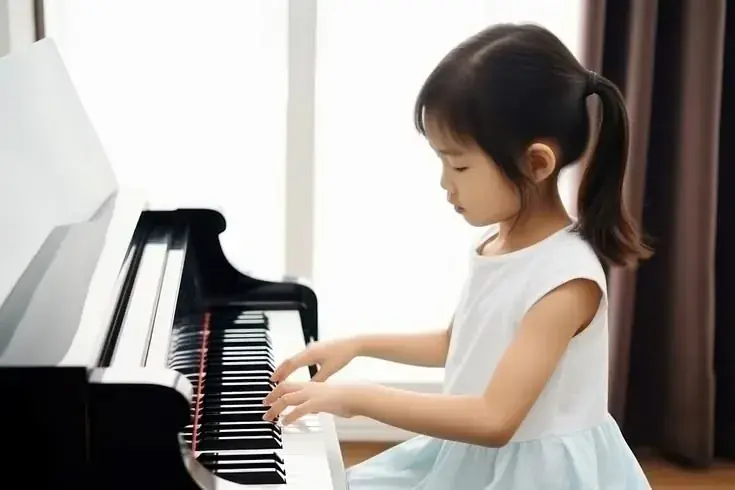
Many teachers accept students from age five or six, but some programmes are designed for four- to five-year-olds with playful, short lessons that introduce rhythm, singing, and keyboard exploration. By age six or seven, most children can handle longer lessons and more structured note reading.
There is no universal perfect age. What matters most is the teacher’s ability to adapt. A teacher experienced with young learners can make lessons engaging whether a child starts at four and a half or seven.
What Beginners Should Learn First
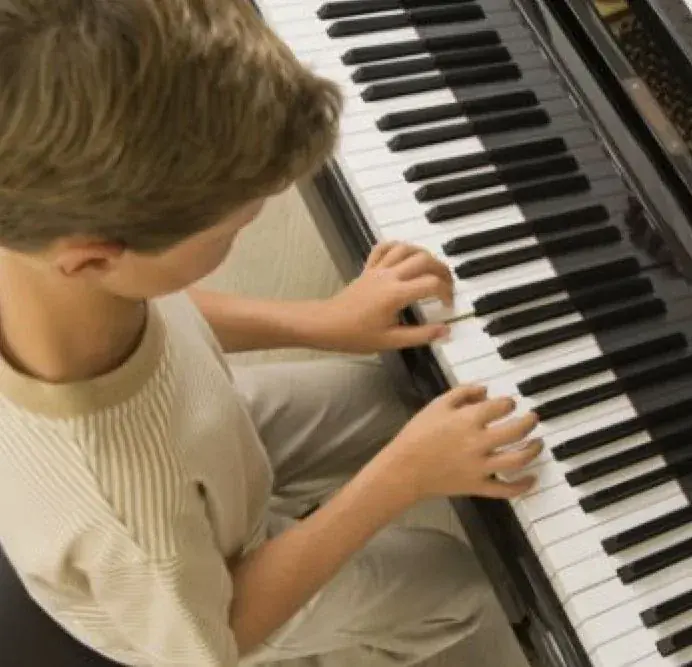
The first lessons should focus on fun, not pressure. Beginners can start with clapping rhythms, identifying high and low sounds, learning correct hand position, and playing simple melodies with one hand. This builds confidence and keeps motivation high.
Avoid lessons that feel like schoolwork. Young children learn fastest when the teacher uses games, short pieces, and frequent praise. Progress may feel slow to adults, but each small win builds the habits that support longer study later.
Choosing the Right Teacher and Class Format
For young children, 1-on-1 keyboard classes often work better than large groups. A personal teacher can adjust the pace, redirect attention when needed, and celebrate small achievements. Look for teachers who mention experience with children, patient communication, and age-patible materials.
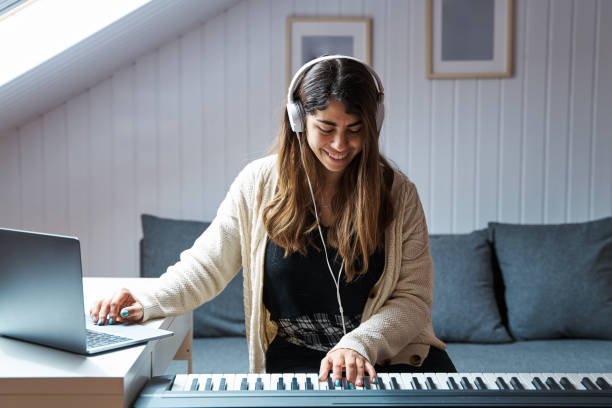
Online keyboard classes can work well for kids if the teacher uses visual aids, simple explanations, and short practice goals. Make sure the child can see the teacher’s hands clearly and that lessons stay interactive rather than lecture-based.
Supporting Practice at Home
Parents play an important role without becoming drill instructors. Create a small practice corner, keep the instrument accessible, and praise effort rather than perfection. A short daily routine is more valuable than occasional long sessions.
Ask the teacher for one or two clear practice tasks each week. When parents know exactly what to reinforce, home practice feels manageable and children make steadier progress between lessons.
Frequently Asked Questions
Is four too young to start keyboard classes?
Not necessarily. Some four-year-olds thrive with short, play-based lessons. The key is a teacher who specialises in early childhood music and keeps lessons short, fun, and movement-friendly.
Should my child start on keyboard or piano first?
Keyboard is often a gentler start because of its lighter keys, portability, and engaging sounds. Many children later move to piano once their interest and finger strength have developed.
How often should young children practise?
Short daily sessions of ten to twenty minutes work better than long weekly marathons. The goal is to build a habit without creating resistance or burnout.
The best age for a child to start keyboard classes is when they show interest, can focus for short periods, and feel excited to try. If you are unsure, book a trial lesson and observe how your child responds. The right teacher will make the start feel natural, playful, and confidence-building.